

The surge in renewable energy interest has motivated many homeowners to consider the benefits of solar panel installation. Switching to solar promises not only lower utility bills but also a reduced carbon footprint. However, for those new to solar panels, the journey from initial idea to a fully operational system can feel overwhelming. By understanding the main steps and requirements, you can approach the adoption of solar energy systems with greater confidence and clarity.
The essentials of solar panel installation
Gaining insight into how solar panel installation unfolds helps make the process more accessible. From choosing equipment to navigating permits and finally activating your system, several considerations come into play before getting started. Careful planning minimizes setbacks and ensures each phase of the installation process runs smoothly.
Homeowners can opt for either a professional or diy installation, depending on their skills and budget. Regardless of the chosen route, some foundational stages are universal: site evaluation, system design, selection of mounting hardware/racking, and addressing regulatory elements like permitting and inspections.
The step-by-step installation process
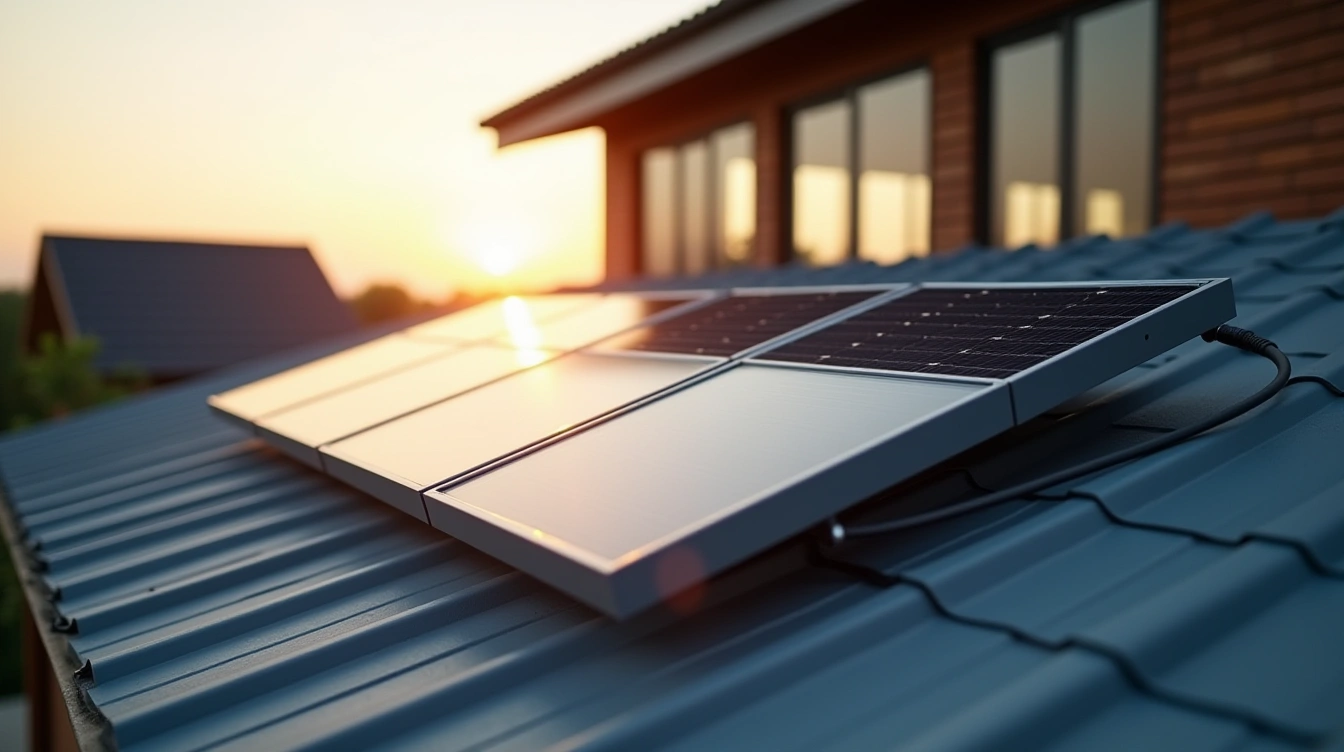
A successful solar project depends on following a well-ordered sequence of tasks. Skipping key stages or rushing through them can undermine performance and lead to expensive corrections. This is why both homeowners and contractors/installers value a methodical, detailed approach.
The process typically begins with assessment and design, followed by administrative procedures, equipment installation, and final commissioning. Each step builds upon the last to guarantee optimal results and long-term reliability; when starting your own project, considering Solar Panel Installation by reputable providers can ensure expert handling throughout.
Site assessment and system design
The first major phase is assessing whether your property is suitable for solar panels. Installers analyze factors like roof orientation, shading, structural strength, and available space. This evaluation ensures that your location receives enough sunlight year-round, directly impacting system efficiency. Professionals may use digital modeling tools, while a diy installation often relies on manual measurements and reference materials.
Once the site is evaluated, attention shifts to system design. Here, designers match your energy needs and physical constraints to select the right type and size of panels. The layout and wiring scheme are determined with an eye toward both functionality and aesthetics. Meticulous work at this stage leads to effective solar energy systems and reduces the likelihood of complications later.
Obtaining permits and handling administrative steps
Securing the necessary permits and permitting approvals is essential and varies by locality. Homeowners must submit plans that comply with local codes concerning electrical safety, fire prevention, and building standards. Though sometimes time-consuming, these approvals are critical for connecting to the grid and qualifying for incentives and rebates.
Experienced contractors/installers usually manage much of the paperwork required for their area. For a diy installation, thorough research ahead of time can simplify dealings with municipal officials and utilities. Required documents often include electrical diagrams, product certifications, and engineering assessments.
Choosing between professional and diy installation
When considering solar panel installation, homeowners often debate hiring skilled professionals versus tackling a diy installation. The best choice depends on technical know-how, personal comfort with risk, and available budget. Both approaches offer distinct advantages and challenges.
Professional services deliver expertise and peace of mind, while DIY projects attract those seeking hands-on experience and cost savings. Comparing both options across several criteria helps clarify which path aligns with your goals.
Professional contractors/installers
Certified contractors/installers bring specialized knowledge, the right tools, and familiarity with local regulations. Their training reduces errors during the installation process and expedites permitting and inspections. Many companies back their work and products with warranties, offering additional reassurance.
Opting for professional installation generally means faster completion and more predictable timelines. Although upfront costs are higher than with diy installation, access to wholesale pricing and supplier partnerships can offset some expenses. Leading installers also assist clients in securing incentives and rebates, easing the financial transition to solar.
Diy installation challenges and rewards
A diy installation appeals to those who enjoy hands-on projects and wish to minimize overall costs. By purchasing components independently and handling assembly, homeowners save on labor fees. However, this approach demands substantial effort, careful measurements, and strict adherence to electrical safety protocols.
The risks are greater if mistakes occur—errors in system design, connections, or mounting hardware/racking can hurt performance or void warranties. Experience and close attention to manufacturer guidelines are vital. Some areas require licensed electricians for certain phases or impose stringent inspection rules, so it's crucial to check local regulations before starting.
Navigating incentives and rebates for solar energy systems
Many governments and utilities promote the adoption of solar panels by offering incentives and rebates. These programs help reduce upfront investment and make solar energy systems more affordable. Identifying relevant opportunities increases your return on investment over time.
Incentives and rebates vary widely and may include federal tax credits, state grants, utility-based payouts, and other renewable energy initiatives. Since eligibility and terms can change annually, staying informed is important when planning your installation process. Official databases and advocacy organizations regularly update program details and deadlines.
- 💸 Federal investment tax credit (ITC) applies to residential systems nationwide
- ⚡ State-specific rebates differ by region and can increase savings
- 🏢 Utility-sponsored incentives may feature direct payments or ongoing bill credits
- 📑 Local government grants or reduced permit fees lower initial costs
| 📅 Incentive/Program | 🔍 Eligibility | 💰 Typical Value |
|---|---|---|
| Federal tax credit | All U.S. homeowners | Up to 30% of installation cost |
| State rebates | Based on location | Varies ($500–$5,000) |
| Utility programs | Participating customers | $200–$3,000 |
| Permit fee reductions | Local residents | $50–$500 |
Frequently asked questions about solar panel installation
What are the main steps in the solar panel installation process?
The solar panel installation process consists of several interconnected phases. Typically, these include:
- 📝 Site evaluation and detailed system design
- 📃 Securing permits and permitting approval
- 🔧 Installing mounting hardware/racking on your roof or ground area
- 🪛 Attaching solar panels and completing wiring
- 💡 Final inspection and interconnection to the local grid
While professional contractors/installers manage these steps efficiently, a diy installation requires active homeowner involvement throughout.
How do incentives and rebates affect the cost of solar panels?
Incentives and rebates can dramatically decrease the initial expense of installing a new solar energy system. Most homeowners benefit from a mix of federal tax credits, state aid, and utility company rebates.
| 🟢 Incentive type | 💲 Potential savings |
|---|---|
| Federal tax credit | Up to 30% off total cost |
| State/utility rebate | Several hundred to thousands of dollars |
Taking advantage of these financial offsets shortens the payback period and makes solar panel installation feasible for more families.
Can I perform a diy installation of solar panels?
A diy installation is possible for homeowners with electrical skills and a solid grasp of safety measures. Essential requirements include:
- 🛠 Familiarity with basic electrical work
- 🔩 Understanding safe practices for mounting hardware/racking
- 📚 Research into local permits and permitting processes
- ✅ Willingness to complete post-installation inspections
Some regions mandate certified installers or licensed electricians for certain aspects. Always verify local rules before beginning any diy installation.
What maintenance do solar energy systems need after installation?
Solar panels require minimal routine maintenance compared to traditional power sources. Regular cleaning removes dust and debris, helping maintain peak efficiency. Periodic inspections help catch loose connections or aging parts early.
- 🧽 Wash panel surfaces as needed
- 🔎 Check mounting hardware/racking annually
- ⚡ Monitor output using system dashboards
Warranties from contractors/installers often cover repairs or replacements for extended periods, reducing long-term concerns for owners.
In summary, solar panel installation involves careful planning, informed decision-making, and attention to detail at every stage. Whether you choose a professional team or pursue a diy installation, understanding each step—from site assessment to leveraging incentives and rebates—is key to maximizing your investment in clean energy. As technology and policies continue to evolve, staying updated ensures you make the most of your move toward sustainable power for your home.