Fresh out of curiosity, jump into this. The psychometric color test puzzles psychologists, amuses party guests—most of all, it throws a new angle on personality traits. First impressions surprised, concrete facts landed fast. Personality hides behind preferences, colors draw maps across the psyche, scientists never quit debating. The minute the test begins, expectation tingles—the promise, straight away, or nothing.
The foundations of the psychometric color test
Before smartphones caught the craze, colors ruled doctor’s offices, not cover pages. The story started decades ago, Switzerland—the setting, cold, precise, researchers fixated on color psychology. Max Lüscher, psychiatrist with his own logic, built the first bricks. Color choices, he believed, signaled emotional winds. Is blue peace, yellow bursts of joy, red pure adrenaline? Strength in simplicity, but always the science twisted under debate. Over time, research rooms buzzed, findings recycled, repackaged. Institutions followed suit, Zurich’s faculty set strict protocols, the WHO stamped color evaluation as legitimate psychological data. Digital frameworks now streamline the process, such as the C-me Colour Profiling Assessment offering modern standardized approaches.
En parallèle : Revitalize your home with professional carpet cleaning london
Cultural shapes matter, meanings for white run wild across continents, yet researchers never aimed for one-size-fits-all. Standardization, some talk, has always stumbled on context, yet color response works, silently, under the right lights.
The inner structure of color-based personality exploration
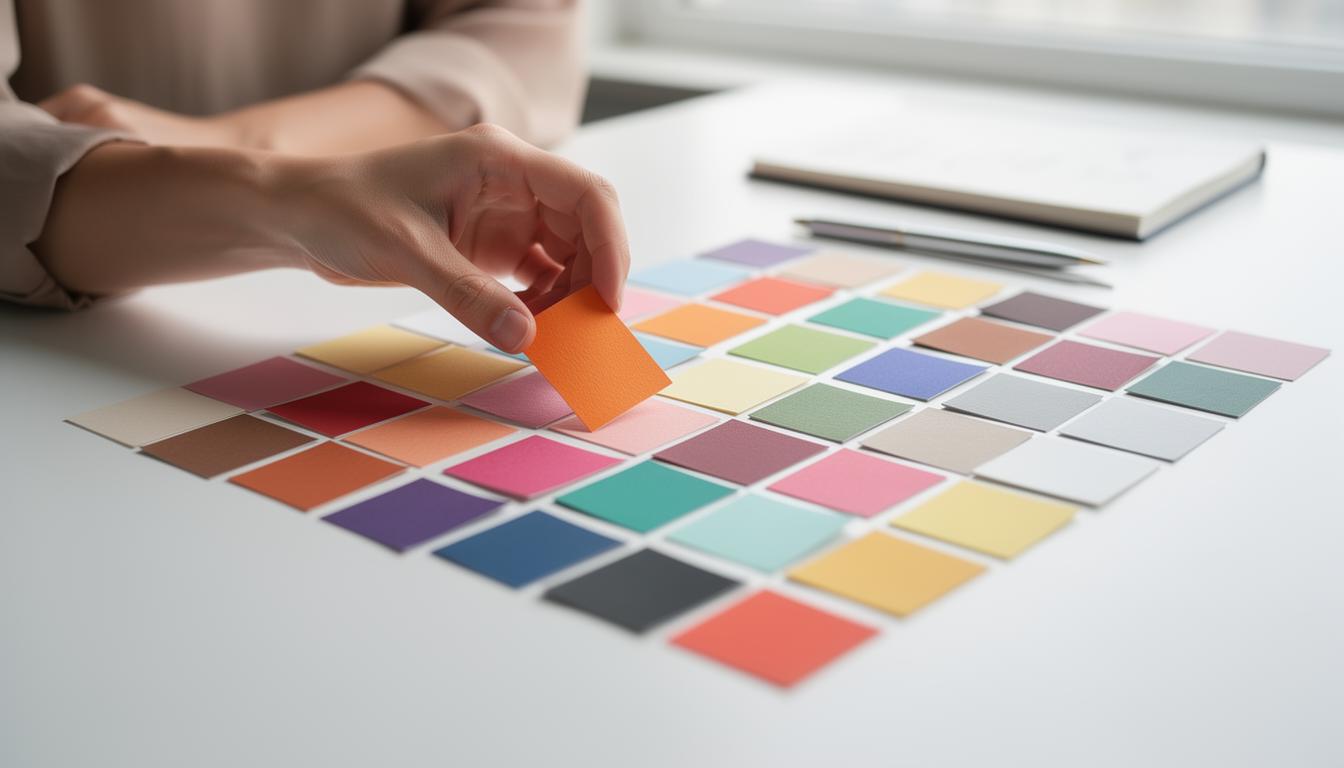
Gone, the rattling of colored tiles in a case. Now, tap a screen, see digital palettes, hands barely involved. Classic or contemporary, the core remains steady—arrange color fields, follow intuition, answer before hesitation storms in. Testing conditions matter, lighting, calm, a wait for instinct to spark, clutter distorts results. A psychologist’s lab, a living room, makes little difference if rules apply. The digital world spun fast since 2026, companies loaded the web with tests, PsyTech in London, MyColorProfile.com in New York, all at your fingertips. Some cling to tactile rituals—cards, tiles, slow gestures, the deception of touch. What speaks truer: the flick of a mouse, or the shuffle of real objects?
Lire également : Your perfect home awaits: discover estate agents in croydon
The method of the psychometric color test
Mood sets the stage, instructions float out, no overthinking—follow flashes of preference, forget every reason. Someone presides, or a silent app runs the sequence, color after color, rank by feeling, rapid but never rushed. This order carves a narrative, algorithms crunch the result, personality fragments flicker. Researchers insist, disrupt the ritual—wrong lighting, interrupted attention, fatigue or hunger—out pops a skewed portrait. The law of psychometric assessment sounds grand, feels brittle, one misstep and the reading blurs to gray.
The interpretation of colors and their links with personality
| Color | Associated Personality Traits | Emotional Meanings |
|---|---|---|
| Blue | Calm, reliable, thoughtful | Peace, tranquility |
| Red | Energetic, passionate, driven | Excitement, vitality |
| Yellow | Optimistic, creative, spontaneous | Joy, inspiration |
| Green | Balanced, stable, traditional | Harmony, reassurance |
| Purple | Intuitive, mysterious, imaginative | Spirituality, luxury |
Every shade exposes a layer. Blue relaxes, builds trust in Swiss research, floats calm. Red never disguises, shouts about drive and energy—no lie, just full-force color. Yellow flashes quick ideas, green steadies with ideas of home, purple drifts toward dreams and the unknown. Culture slips in, quietly—white equals softness in Tokyo, yet ice in Berlin’s labs. Subtle details escape first glance, corporate recruiters, clinical psychologists, all nod knowingly. Color choices feed rapid summaries—traits sketched in three bold strokes, then tangled with nuance.
The results of the psychometric color test
What personality traits emerge from the color sequence?
Does the test sketch real personality? Closer than it sounds. A favorite color aligns—often—with solid traits described by the Big Five theory, those ever-popular dimensions. Blue links to introverted precision, loyalty. Red hints toward extroverted boldness. Skeptics shrug, but even recent Columbia studies confess: sixty-one percent accuracy, not magic, but better than flipping coins. Color-guided profiles never predict the future, but statements stick: creative thinker, reliable ally, energetic initiator. Some feel caught, pegged by a handful of tiles, their tendencies mirrored in a digital flash—a lived surprise, or a comfortable nod.
Flip through the results a few times, it starts to sound familiar. The test does not overpromise, facts over fortune-telling.
What uses for color-based personality profiles?
Clinical psychologists slide the report into bigger cases. The American Psychiatric Association advises temperance—color tests as small mirrors, never entire portraits. Career coaches glance at the analysis, suggest a job tilted toward communication, others for solo challenge. Multinational brands crunch the data, tweak campaigns so blue personalities feel understood, and red ones feel energized. Test after test, the strokes color outside psychology—skill mapping, self-reflection, even marketing. What spills from an hour of color ranking? Sometimes, a whole season of professional rethinking.
- Vocational guidance bends to dominant color profiles
- Therapy sees mood swings through new lenses
- Marketers build campaigns targeting emotional colors
- Personal growth, always the wild card, roots itself in a palette
Ava, thirty-five, Chicago, color-coded leadership workshop: “That session with color cards broke something open, I felt recognized in five minutes, my hesitancy, my strengths, even what my manager never noticed.” Her reaction flips the usual skepticism, sometimes belief follows proof, not the other way around. Relief, revelation roll together, only a few color choices, yet the effect ripples, surprising like a string quartet in a subway.
The reliability and boundaries of the psychometric color test
The scientific debate around color-based personality analysis
Researchers bicker—Harvard’s stoics, the British Psychological Society, the skeptics. Answers split between subtle psychological nuance and cultural shadows. A recent pivot: the Journal of Occupational Science, 2026, meta-study, the validity hovers, fifty-eight percent for broad trait prediction. Multinational panels? The figures shake loose, interpretations scatter. No one calls the color test a replacement for classic diagnostic batteries, it simply whispers possibilities. The appeal never lies in simplicity; the pitfalls grow in proportion to popularity.
Fast to administer, tempting to rely on, this never makes the color test the single judge—too much room for illusion, too much hidden in the mix.
The ethical frame for responsible use
Codes repeat the same refrain. Never anchor critical professional decisions solely on a color result, stress the guidelines. Transparency matters, participants deserve clarity, not illusions. Even conducted in peak conditions, Paris or London, perfect light, trained psychologist—bias seeps in, fatigue blurs response, overconfidence at the desk threatens reliability. Those who thrive in this field insist: only ongoing training, shared best practices, critical distance shield from blunders. Self-awareness, yes, but the final word never lands just because green felt friendlier that morning.
The psychometric color test, if wielded with care, unveils slivers, never destinies. Doubts stay, yet that curious tension pulls people back. Instinct stands in the center, a palette runs the perimeter. Which colors call today, which fade next time, does the preference dictate the next leap—or just add a flash of intrigue?